THE JACKET
Sheepskin and leather
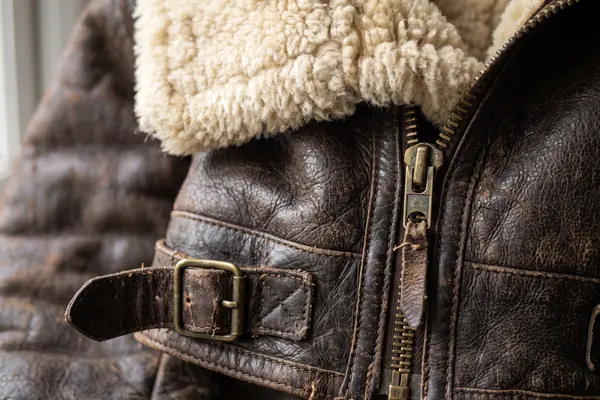
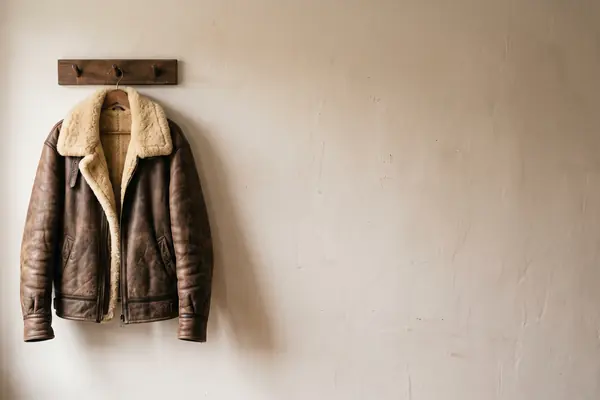
Imperial War Museums describes heavyweight sheepskin inside for insulation and leather outside for durability, cut to stay flexible in a cockpit.
Spot an original doodlebomber
A CLOTHING STORY
The sheepskin flying jacket began as a practical answer to one problem: cold.
How cold is it up there?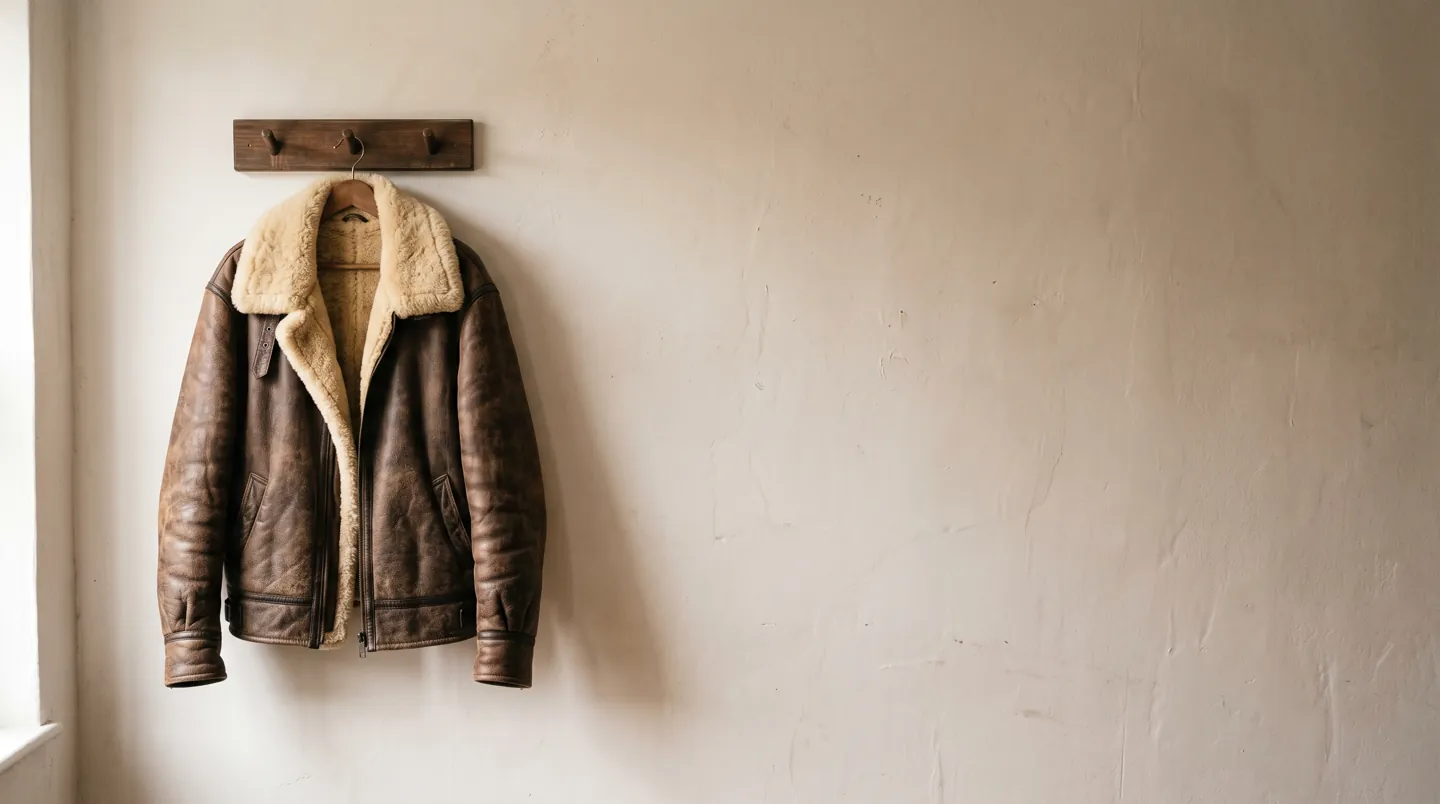
−56 °Chigh above the clouds
Early aircraft had open cockpits, and the higher they flew, the colder the air became. This independent guide tells how a sheepskin flying jacket was designed to keep aircrew warm, from museum collections and the physics of the atmosphere. It is about clothing, not combat.
At a glance
≈ 6.5 °C
Cooling per kilometre of height
In the troposphere temperature decreases with height, at a lapse rate of about 6.5 °C for every kilometre of altitude.
LAPSE RATE · WESTERN OREGON UNIVERSITY
−56 °C
Standard temperature above 11 km
NASA's standard atmosphere holds the lower stratosphere, from 11,000 to 25,000 metres, at about −56 °C.
STRATOSPHERE · NASA
TWO NUMBERS WORTH KNOWING
One figure for how fast air cools as you climb,
one for how cold it gets.
IWM notes that even the new closed cockpits of the 1930s were unheated, so pilots still needed sheepskin flying clothing.
HOW COLD IS IT UP THERE?
Choose an altitude to see the air temperature on a standard day, worked out from NASA's model of the atmosphere. The bar shows how cold it is.
Temperatures calculated from NASA Glenn Research Center's standard atmosphere curve fits (metric). Real days vary.
THE SHORT ANSWER
A jacket shaped by altitude.
Three things worth knowing.
THE JACKET
Imperial War Museums describes heavyweight sheepskin inside for insulation and leather outside for durability, cut to stay flexible in a cockpit.
Spot an originalTHE PROBLEM
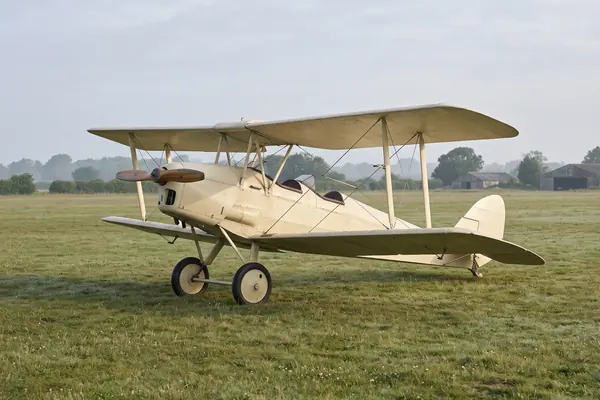
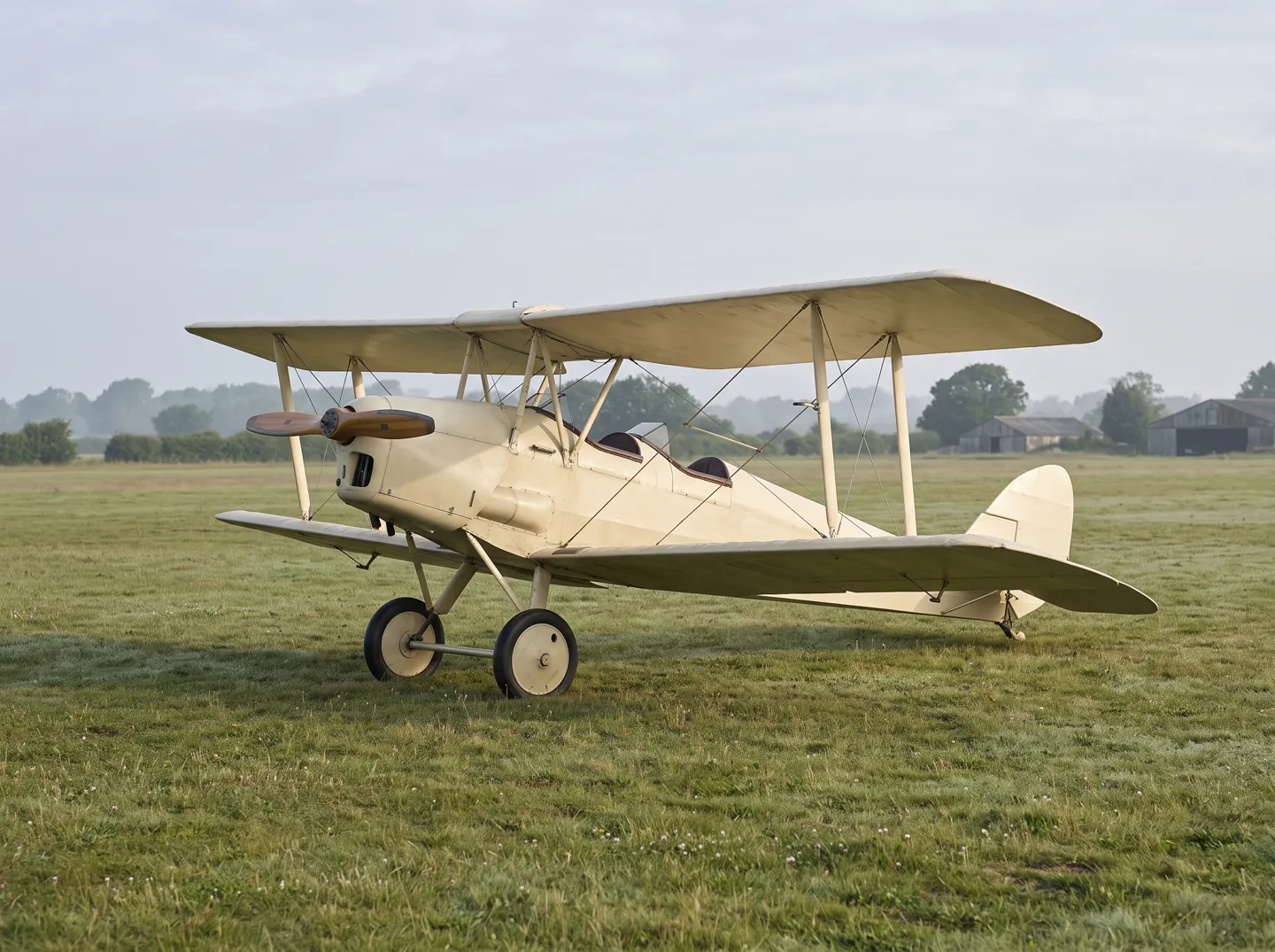
Most 1920s aircraft had open cockpits. As they flew higher, sub-zero temperatures became a pressing problem for pilots.
How cold is it?THE NAME
By 1943, IWM says, high costs and limited supply meant the sheepskin flying jacket was limited to bomber crews, though others still found them.
In the collections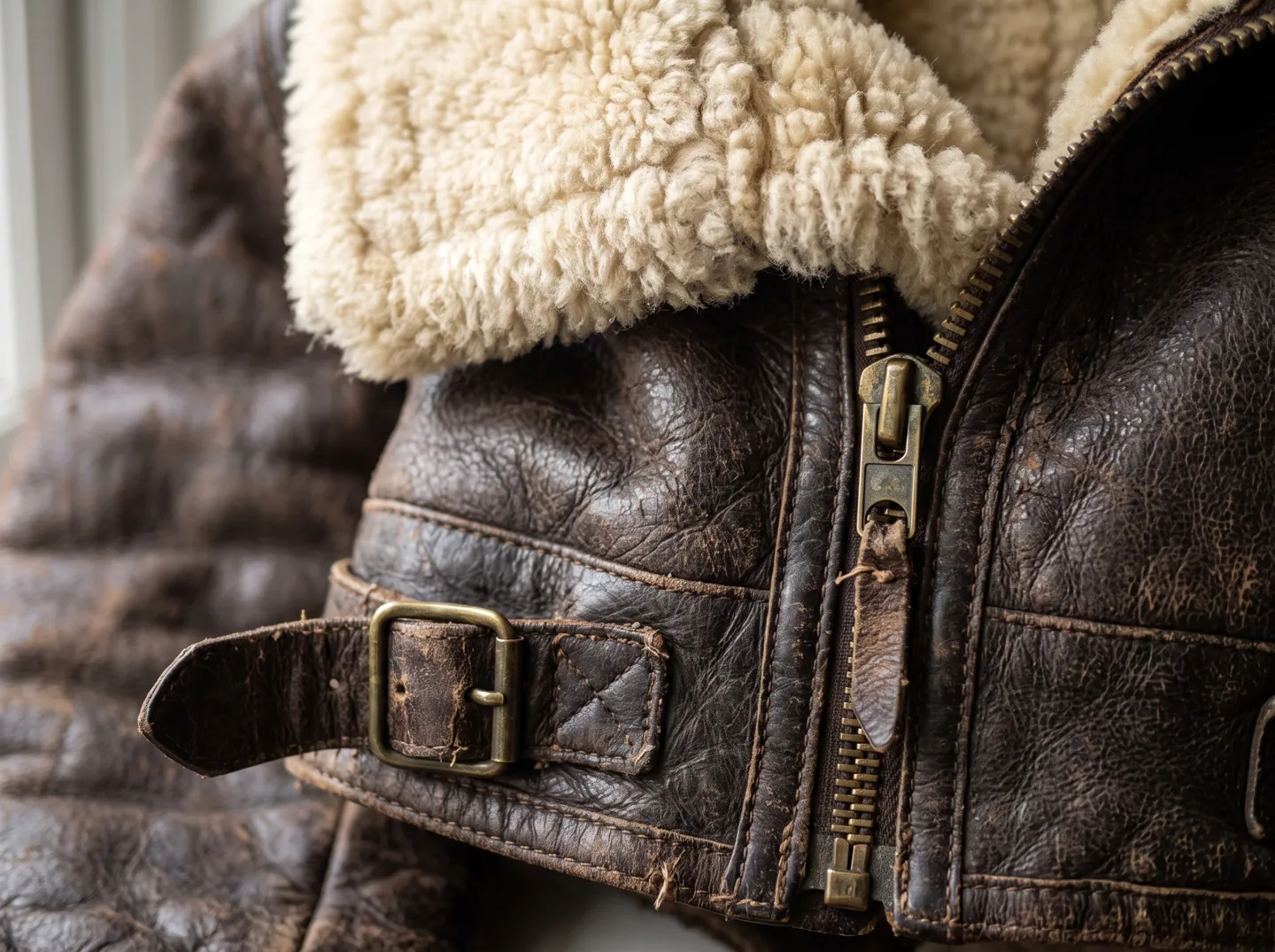
HOW TO SPOT AN ORIGINAL
These design features come from Imperial War Museums' account of the RAF sheepskin flying jacket.
A large sheepskin collar could be turned up in flight to protect the neck and lower face.
A heavy brass zip cut down the wind, and buckles and straps at the cuffs and waist kept cold air out.
Originals had few pockets: crews wore uniforms with pockets underneath. IWM says replicas often add hand-warmer pockets.
Early jackets used large single sheepskin panels. Later wartime ones were sewn from smaller pieces, with more seams.
IN THE COLLECTIONS
The RAF Museum describes the 1938 pattern sheepskin jacket as widely issued and worn by RAF aircrew, and holds an example made in 1940. Canada's Ingenium collection holds one from 1944 to 1945, with a sheepskin lining and steel zips.
IWM says the design was approved by the British Air Ministry for pilots in 1932. Its function-first design, it adds, helped make the jacket a style icon, often seen in films and popular culture.
Questions
IWM says that by 1943 high costs and limited supply restricted the sheepskin flying jacket to bomber crews, though fighter pilots and other aircrew still acquired them.
Most 1920s aircraft had open cockpits, and air gets colder with height. Even the closed cockpits of the 1930s had no heating, so insulation was essential.
NASA's standard atmosphere model gives about −24 °C at 6,000 metres and about −56 °C above 11,000 metres, compared with about 15 °C at the ground.
IWM credits Leslie Irvin, a former stuntman and parachute maker, who set up a factory in Letchworth, Hertfordshire, in 1926. His design was approved by the Air Ministry in 1932.
IWM says originals had few or no pockets, while replicas often add them. Early originals also used large single sheepskin panels with few seams.
Sources
ABOUT THIS NAME
doodlebomber.com is part of the DoodleSale portfolio. It isn't in an auction right now, but you can ask about leasing it.